


Blog
Best Car Chargers in 2026: How to Choose the Right Charger for Your Phone

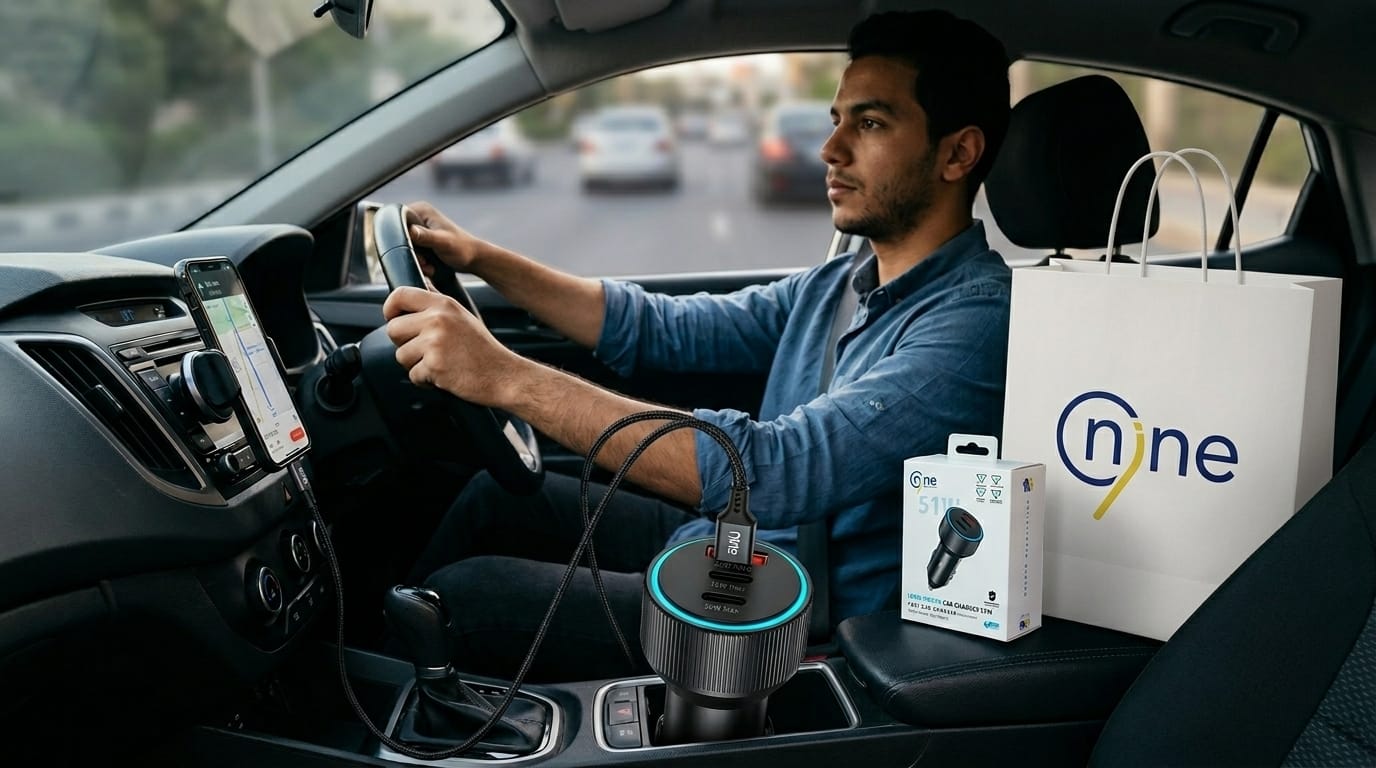
Running out of battery while driving can interrupt navigation, cut off important communication, or leave you without access to essential apps when you need them most. As smartphones become an essential part of daily driving, having a reliable car charger is no longer optional. A good car charger gives you fast, safe charging while driving and keeps your phone ready throughout the journey without worrying about a low battery at the wrong time.
Best Car Charger Types and How to Choose the Right One for Your Phone
A car charger has become an essential part of daily use because it provides stable and safe power to your phone while driving without interruptions or battery anxiety. Here are the most important features to look for when choosing the right charger:
Choose the Right Charging Power for Your Device
Selecting a charger with output power that matches your phone ensures faster and more efficient charging, especially if your device supports fast charging technology. Proper compatibility helps maintain battery health while delivering better performance.
Fast Charging Support (PD and Quick Charge)
Modern car chargers support technologies such as Power Delivery (PD) and Quick Charge (QC), allowing the charger to regulate power delivery intelligently and reduce charging time significantly while driving.
Multiple Charging Ports for More Flexibility
Having multiple ports allows you to charge more than one device at the same time, making it ideal for charging your smartphone, wireless earbuds, tablets, or another passenger’s device without losing charging efficiency.
Built-In Safety Protection
A quality charger includes safety systems that protect against overheating, overcurrent, and voltage fluctuations. These protection systems help keep your phone safe while extending battery lifespan.
Why a Car Charger Has Become Essential While Driving
During long drives, your phone battery alone is often not enough. A car charger has become a practical necessity that keeps you connected and powered throughout the journey without interruption.
Keeps Your Phone Charged Throughout the Trip
Prevents Battery Emergencies
A reliable car charger gives you instant access to power whenever your battery runs low, especially during long trips or when using battery-draining apps continuously.
Supports Navigation and GPS Applications
Navigation apps consume a large amount of battery. A car charger keeps your phone running continuously while using GPS, helping you reach your destination safely without sudden shutdowns.
Turns Your Car Into a Portable Charging Station
Your vehicle’s charging port becomes a reliable power source, allowing you to charge your phone or other devices anytime without relying on external power outlets.
How Does a Car Charger Work? Understanding Charging Technology Inside Your Car
A car charger acts as a smart power converter that transforms your car’s electrical output into safe, stable charging for your smartphone, allowing you to stay connected while driving.
Converts Vehicle Power Into Safe Charging Output
A car charger takes electrical current from your car’s power outlet and converts it into a voltage level compatible with your phone, delivering power safely without damaging the device.
Smart Circuits Control Power Delivery
Inside the charger, intelligent circuits regulate the amount of electricity sent to your phone, ensuring your device receives the correct power level without undercharging or overloading.
Communication Between Charger and Phone
Many modern chargers use technologies such as Power Delivery (PD) or Quick Charge (QC) that allow communication between the charger and the phone to determine the fastest and safest charging method.
Built-In Safety Protection Systems
High-quality car chargers include protection systems that prevent overheating, voltage spikes, and unstable current flow, keeping both your phone and charging process safe while driving.
Choosing the right car charger means more than simply keeping your battery full. It allows safer navigation, uninterrupted communication, faster charging, and better long-term battery protection, making it one of the most important accessories for everyday driving.
The Difference Between Fast Charging and Standard Charging in Car Chargers
Choosing the right car charger is not just about keeping your phone powered while driving. Understanding the difference between fast charging and standard charging helps you choose a charger that matches your daily needs, especially when you rely on your phone for navigation, communication, or work during long trips.
| Feature | Fast Charging | Standard Charging |
|---|---|---|
| Charging Speed | Charges a large percentage of the battery in a short time (up to 50% in 20–30 minutes) | Slower, gradual charging that takes much longer |
| Technology Used | Supports technologies like Nine car charger Era Power, two-port (PD), 60W | Uses traditional fixed power output |
| Power Output (Watt) | Usually ranges from 18W to 130W, depending on the charger model | Usually ranges between 5W and 12W |
| Driving Efficiency | Perfect for short trips, emergency charging, and daily commuting | Suitable for longer charging sessions when speed is not important |
| Device Compatibility | Works with most modern phones supporting fast charging | Compatible with all devices, but without a significant speed improvement |
| Heat Generation | Slightly higher heat, but safe with advanced protection systems | Lower heat due to reduced power output |
| Best Use Case | Travel, daily commuting, fast top-up charging | Overnight charging or non-urgent charging situations |
What Is a Fast Car Charger and How Does It Charge Your Phone Faster?
A fast car charger is a practical charging solution that uses modern technologies such as Power Delivery (PD) and Quick Charge (QC) to deliver power more efficiently compared to traditional chargers.
Instead of sending low, constant power like standard chargers, fast chargers communicate directly with your smartphone to detect how much power your device can safely receive. Once the charger understands your phone’s charging capability, it increases power delivery intelligently to maximize charging speed.
This allows your battery percentage to rise significantly even during short drives, making fast charging extremely useful for busy daily schedules or emergencies. Unlike standard chargers that rely on low fixed output, fast chargers use higher wattage more efficiently and dramatically reduce waiting time, helping you stay connected whenever you need your phone.
Car Charger Ports: USB-A vs USB-C — Which One Is Better?
Car chargers usually come with USB-A or USB-C ports, and choosing the right one directly affects charging speed, compatibility, and overall charging performance.
USB-A: The Traditional Option
USB-A is the most common charging port found in older accessories and many traditional chargers. It works well with older smartphones and standard charging cables, but usually supports lower charging speeds compared to newer technologies.
USB-C: The Modern Standard
USB-C offers much faster power transfer and supports advanced charging technologies like Power Delivery (PD). It has become the preferred option for modern smartphones, tablets, and newer electronic devices that require higher charging performance.
Charging Speed Comparison
USB-C clearly outperforms USB-A in charging speed, efficiency, and power stability. USB-A remains useful for standard charging or older devices, while USB-C is designed for faster, more advanced charging needs.
Which One Should You Choose?
If you use a modern smartphone or depend on fast charging daily, USB-C is the better choice. If you use older devices or need a secondary backup charging option, USB-A still works well for basic charging needs.
Advantages of Multi-Port Car Chargers
Multi-port car chargers have become the ideal choice for users who depend on multiple devices during travel because they offer greater flexibility and convenience.
Charge Multiple Devices at the Same Time
Multi-port chargers allow you to charge your phone along with another smartphone, wireless earbuds, tablet, or any additional device simultaneously, saving time while driving.
Smart Power Distribution
High-quality chargers use intelligent power management systems that distribute electricity evenly between connected devices. This allows every device to receive the appropriate amount of power without significantly affecting charging speed.
Supports Both USB-A and USB-C
Many modern car chargers combine USB-A and USB-C ports in one charger. This gives you compatibility with both older devices and modern smartphones without carrying multiple charging accessories.
Perfect for Travel and Daily Use
If you travel with family members, passengers, or regularly use multiple devices throughout the day, multi-port chargers provide a convenient charging solution without interruptions or constantly swapping cables.
Choosing the right car charger means balancing speed, compatibility, safety, and convenience. For modern smartphones and daily driving, fast charging with USB-C and multi-port support usually provides the best overall experience.
Safety Technologies in Car Chargers That Protect Your Phone and Battery
Car chargers are no longer just simple accessories that supply power to your phone. Modern car chargers now use advanced protection technologies designed to deliver safe, stable, and efficient charging during every trip. Choosing a charger with proper safety systems helps protect both your phone and battery over the long term.
Overcurrent Protection Prevents Battery Damage
Smart circuits inside modern car chargers automatically regulate electrical current and prevent sending more power than your phone actually needs.
This protects your battery from unnecessary stress, helps maintain long-term battery health, and reduces the risk of gradual battery degradation caused by unstable power delivery.
Temperature Control for Safer Charging
Heat management has become one of the most important safety features in modern chargers.
Advanced car chargers automatically control operating temperature and reduce unsafe heat buildup during charging, ensuring stable performance even during long drives or extended charging sessions inside the car.
Voltage Regulation Protects Internal Phone Components
A high-quality car charger prevents excessive or unstable voltage from reaching your device.
This protects the phone’s internal charging circuits, motherboard, and battery management system from electrical damage that can happen during fast charging.
Intelligent Power Distribution for Multiple Devices
Modern chargers can automatically detect the power requirements of each connected device and distribute electricity intelligently.
This ensures safe and balanced charging without placing unnecessary pressure on your battery or reducing charging efficiency when multiple devices are connected at the same time.
Does Using a Car Charger Affect Battery Life?
Using a car charger does not automatically damage your phone battery.
The real factor that affects battery health is charger quality and power stability.
When you use a certified, high-quality car charger with built-in safety systems, it delivers stable electricity to your phone just like a normal wall charger without creating additional stress on the battery. However, low-quality chargers may send unstable electrical current, causing battery stress over time.
The right charger maintains balanced power delivery and allows you to charge comfortably during driving without worrying about long-term battery damage.
Best Ways to Use Car Chargers During Travel and Long Road Trips
During travel, a car charger becomes one of the most important accessories for keeping your phone running continuously, especially when relying on navigation and communication throughout long journeys.
Keep Navigation Running Without Interruptions
Navigation applications consume significant battery power.
A car charger allows GPS apps to remain active continuously so you can reach your destination accurately without worrying about losing battery in the middle of your trip.
Continuous Charging During Long Drives
Long road trips often require constant phone usage for maps, calls, music, and internet access.
A car charger keeps your battery level stable throughout the journey, even under heavy usage.
Entertainment for Passengers
Passengers can continue using smartphones or tablets for watching videos, gaming, or entertainment during long trips without worrying about running out of battery.
This makes travel far more comfortable for everyone.
Stay Productive While Traveling
If you depend on your phone for work, messaging, business communication, or managing tasks on the road, a car charger ensures your device stays powered and ready throughout the day.
Reduce Battery Anxiety on Long Routes
One of the biggest advantages is the simple peace of mind. Knowing your phone will remain charged throughout long travel distances allows you to focus on the journey instead of constantly checking battery percentage.
How to Identify an Original Car Charger vs a Fake One Before Buying
If you want to distinguish between an original car charger and a counterfeit one, focus on the small details that reveal product quality immediately.
An original charger is usually built with stronger materials and feels solid without loose parts or weak construction.
You should also see clearly printed technical information such as charging power, supported technologies like Power Delivery (PD) or Quick Charge (QC), and accurate product specifications. During actual use, an original charger delivers smooth, stable charging without random interruptions or excessive overheating.
Counterfeit chargers often show poor finishing quality, unclear specifications, unstable performance, and weak internal components that may expose your phone to serious risks. Choosing the right charger is not simply about charging convenience — it is an important step toward protecting your phone and battery from long-term damage.
Practical Car Charger Options from Nine Tec Egypt
Modern car chargers should combine speed, safety, and convenience to keep all your devices powered during every trip.
Here are some practical charging solutions:
Frequently Asked Questions
Can I use a car charger with all smartphones?
Yes. Most car chargers work with nearly all smartphones as long as you use the correct cable type such as USB-A or USB-C. Fast charging speed depends on whether your phone supports fast charging protocols.
Does leaving the car charger plugged in after turning off the engine cause problems?
In most modern vehicles, it usually does not create serious issues, but disconnecting it is recommended to avoid unnecessary power consumption from the car battery.
What is the difference between a normal car charger and a PD charger?
A normal charger delivers fixed power at standard speed, while Power Delivery (PD) chargers intelligently adjust power output based on the connected device, resulting in faster and more efficient charging.
Can I charge multiple devices without losing charging speed?
Yes, if the charger has multiple ports and enough power output, it can distribute electricity between devices efficiently with minimal impact on charging speed.
Is a car charger safe for long-term battery health?
Yes, as long as the charger is original, high quality, and includes safety protections against overheating and excessive electrical current.
Why does charging sometimes feel slow inside the car, even with a fast charger?
Charging speed may decrease due to the use of a low-quality cable, running high-power applications such as navigation or video while charging, or when connecting multiple devices at the same time, which distributes power among the devices.
For best performance, use a high-quality cable and reduce heavy phone usage while charging.

